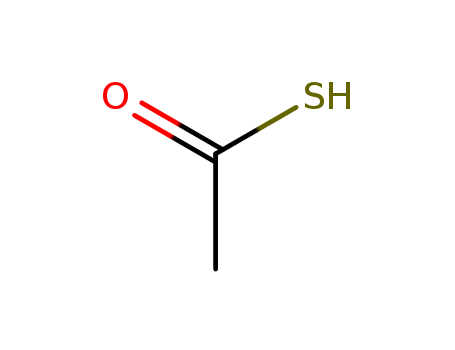
Available forms:clear,yellow liquid with a strong, unpleasant odor
pd_proNo:355377-f59c7b9f-b0d2-4ead-a6dd-75d549750226
pd_productuse:
Contact us|
Chemical properties |
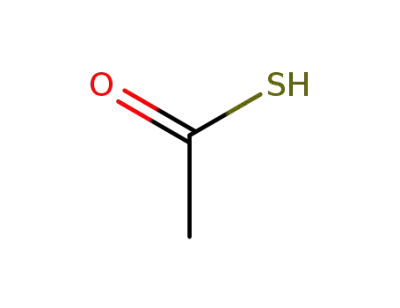
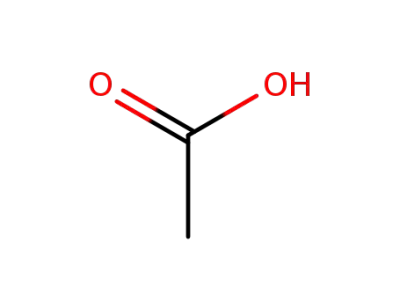
Thioacetic acid is acid containing thiol group, it is also known as thioacetate, thiol acetic acid, acetic acid. It is yellow fuming liquid with unpleasant and pungent odor, chemical property is active, reactivity is very strong, it can prapare mercaptan by reaction with unsaturated aliphatic hydrocarbon and alcohol. CH3COSH + CH2 = CHCH3 → CH3CH2CH2SH CH3COSH + CH3CH2OH → CH3CH2SH Reaction with ethylene oxide can prepare acetylthio ethanol. CH3COSH + (CH2) 2O → CH3COSCH2CH2OH Four methods of laboratory prepared thioacetic acid: 1, acetic acid and phosphorus pentasulfide at 91℃ react, vacuum distillation is further refined and product can obtain. 5CH3COOH + P2S5 → CH3COSHC2H4OS + P2O5 2, chloride and hydrogen sulfide react, after dilute lye neutralizes and distillation refines. It can be obtained. 3, the reaction of acetic anhydride with hydrogen sulfide, thioacetic acid can be obtained, while byproduct of acetic acid can get. 4, the reaction of ketene with hydrogen sulfide can directly obtain. Uses: In laboratory, it can instead of hydrogen sulfide, it can be used verification of cobalt and lead, determination of molybdenum, sulfur synthetic aldehydes and ketones sulfur, histochemical determination of esterase, it can be used as tear gas and so on. |
|
Production methods |
It can be obtained by thermal distillation of ice aldehyde acid with five-thiodipropionic phosphorus. Finely powdered phosphorus pentasulfide is added into glacial acetic acid. When heated to 91℃, it start distilles thioacetic acid, it need to prevent bumping during heating, distillation temperature must not exceed 100 ℃. Distillate distilles once again can derive product. |
|
Hazards & Safety Information |
Category: corrosive materials Toxicity grading: highly toxic Acute intraperitoneal toxicity-mouse LD50: 75 mg/kg Flammability Combustible hazardous characteristics: it is combustible, easy to decompose into acetic acid and toxic hydrogen sulfide gas Storage characteristics: Treasury ventilation low-temperature drying; and it should be stored separately with oxidants, alkali. Extinguishant: sand, foam, water spray, carbon dioxide. |
|
Definition |
ChEBI: A thioacetic acid that is acetic acid in which the oxygen atom of the hydroxy group has been replaced by a sulfur atom. |
|
General Description |
A clear,yellow liquid with a strong, unpleasant odor. May be toxic by ingestion, inhalation and skin absorption. Irritating to skin and eyes. Flash point near 50°F. Used to make other chemicals. |
|
Air & Water Reactions |
Highly flammable. Water soluble. |
|
Reactivity Profile |
Thioacetic acid is a thio organic acid. Organosulfides are incompatible with acids, diazo and azo compounds, halocarbons, isocyanates, aldehydes, alkali metals, nitrides, hydrides, and other strong reducing agents. Reactions with these materials generate heat and in many cases hydrogen gas. Many of these compounds may liberate hydrogen sulfide upon decomposition or reaction with an acid. |
|
Hazard |
Toxic by ingestion and inhalation; strong irritant to eyes and skin. |
|
Health Hazard |
May cause toxic effects if inhaled or absorbed through skin. Inhalation or contact with material may irritate or burn skin and eyes. Fire will produce irritating, corrosive and/or toxic gases. Vapors may cause dizziness or suffocation. Runoff from fire control or dilution water may cause pollution. |
|
Fire Hazard |
HIGHLY FLAMMABLE: Will be easily ignited by heat, sparks or flames. Vapors may form explosive mixtures with air. Vapors may travel to source of ignition and flash back. Most vapors are heavier than air. They will spread along ground and collect in low or confined areas (sewers, basements, tanks). Vapor explosion hazard indoors, outdoors or in sewers. Runoff to sewer may create fire or explosion hazard. Containers may explode when heated. Many liquids are lighter than water. |
|
Flammability and Explosibility |
Highlyflammable |
|
Safety Profile |
Poison by intraperitoneal route. A very dangerous fire hazard when exposed to heat or flame. When heated to decomposition it emits toxic fumes of SOx. See also SULFIDES and MERCAPTANS. |
InChI:InChI=1/C2H4OS/c1-2(3)4/h1H3,(H,3,4)
-
The reactions are reported between selen...
Nitrosporeusines A and B are two recentl...
The present study focuses on the photode...
The invention relates to a method for th...
Baker's yeast was shown to catalyze the ...
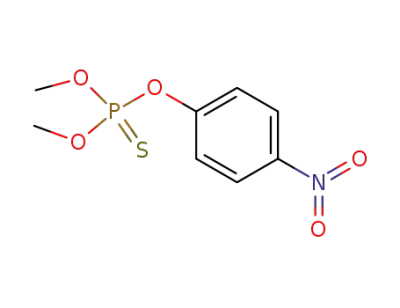
parathion-methyl

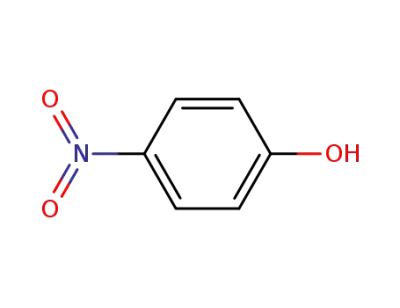
4-nitro-phenol


2-propyl-1-pentanol

O,O,S-trimethyl phosphorothioate

poly(methacrylic acid)
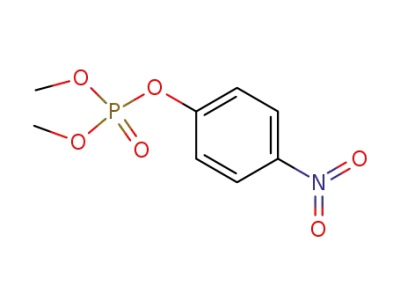
methyl paraoxon

Diethyl phthalate

hydroquinone
tiolacetic acid
| Conditions | Yield |
|---|---|
|
With
oxygen;
at 22.2 - 25.3 ℃;
Wavelength;
Kinetics;
Quantum yield;
UV-irradiation;
Neat (no solvent);
|
parathion-methyl
4-nitro-phenol
2-propyl-1-pentanol
O,O,S-trimethyl phosphorothioate
poly(methacrylic acid)
methyl paraoxon
propionic acid
hydroquinone
tiolacetic acid
| Conditions | Yield |
|---|---|
|
With
water;
at 22.2 - 25.3 ℃;
Wavelength;
Kinetics;
Quantum yield;
UV-irradiation;
Neat (no solvent);
Inert atmosphere;
|
acetic acid

acetyl chloride

acetyl sulfide
2-(2-furyl)-1,3-thiazolide-4-carboxylic acid

N,N'-(dithiodiethylene)bisacetamide
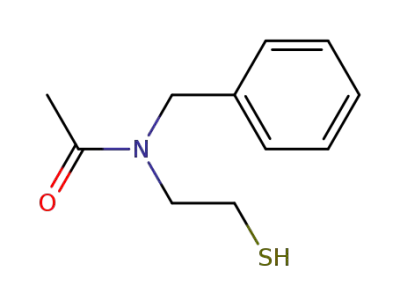
N-(Mercaptoethyl)-N-benzyl-acetamid

5-acetylsulfanyl-2-phenyl-thiazole

5-acetylsulfanyl-4-methyl-2-phenyl-thiazole
For inquiries About Our Products, Please Leave Your E-Mail To Us And We will Contact You Within 24 Hours.